
Muse S (Gen 2) Review 2026: The Ultimate Sleep Hack or Overpriced Headband?
Meditation is hard. You sit down, close your eyes, and within thirty seconds, your brain is drafting an email or wondering what to have for dinner. For years, we’ve relied on “unguided” silence or apps that just talk at us.
The Muse S (Gen 2) changes the game by acting as a “Digital Sleeping Pill.” Using clinical-grade EEG sensors, it listens to your brain and provides real-time feedback to pull you back into focus or lulls you into deep sleep. But does a $300+ headband actually belong in your bedroom?
Table of Contents
Muse S (Gen 2) vs. Muse 2: At a Glance
The primary evolution of the Muse line has been the transition from a rigid “lab tool” to a lifestyle wearable.
| Feature | Muse 2 | Muse S (Gen 2) |
| Material | Hard Plastic (Over-ear) | Soft, Breathable Fabric |
| Primary Use | Daytime Meditation | Meditation + Overnight Sleep |
| Sensors | EEG, PPG, Accelerometer | EEG, PPG, Accelerometer, Gyroscope |
| Sleep Tracking | Limited | Advanced (Sleep Stages & Intensity) |
| Digital Sleeping Pills | No | Yes |
| Fit | Rigid; can slip | Adjustable; stays put during sleep |
How It Works: The Science of Neurofeedback
The Muse S doesn’t just play relaxing music; it uses Neurofeedback. The headband features silver sensors that monitor your brain’s electrical activity (EEG).
When you start a session, the app translates your brainwaves into weather sounds:
- Stormy/Rainy: Your mind is overactive and distracted.
- Quiet Drizzle: You are starting to settle.
- Bird Chirps: You have reached a state of sustained calm.
By hearing your thoughts in real-time, you learn to “quiet the storm” through trial and error—effectively training your brain like a muscle.
Key Features Analysis
1. Comfort: Can You Actually Sleep in It?
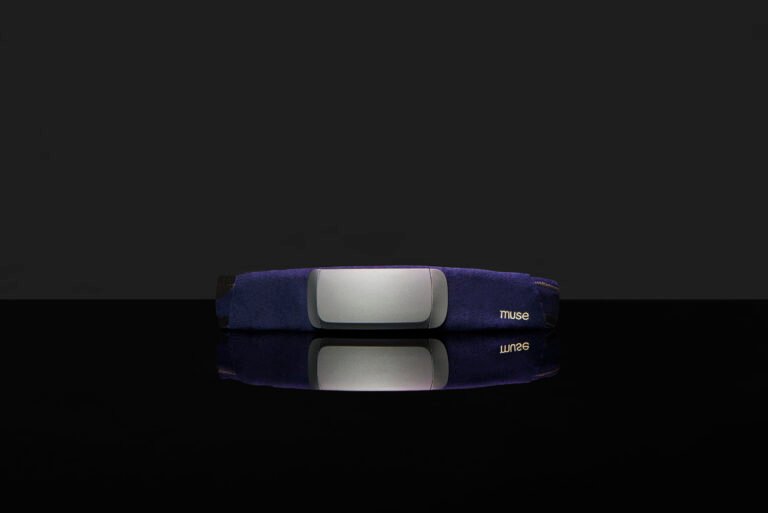
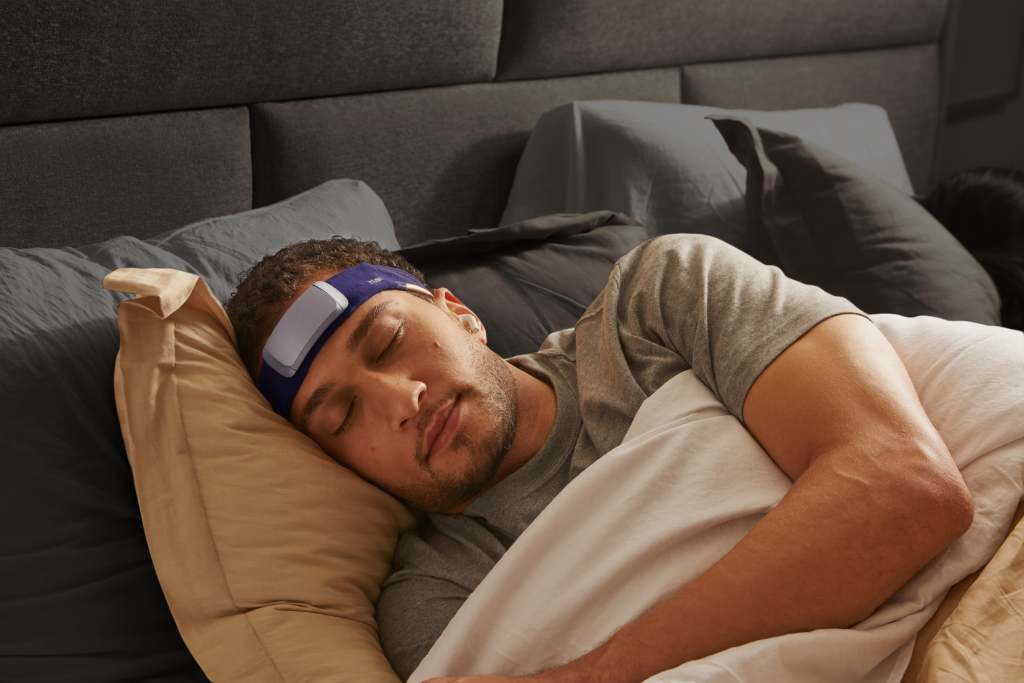
Unlike the original Muse 2, which felt like wearing a pair of stiff glasses, the Muse S is made of a soft, antimicrobial fabric. It is thin enough for side-sleepers, though if your pillow is very firm, you might feel the small plastic pod on your forehead. For most, it’s forgettable within ten minutes.
2. Digital Sleeping Pills (DSP)
This is the Gen 2’s “killer app.” DSPs are a blend of ambient soundscapes and guided imagery that respond to your brainwaves. As you drift off, the volume naturally lowers; if you wake up in the night, the Muse S detects the change in your brain state and automatically fades the sounds back in to soothe you back to sleep.
3. Battery Life
In real-world testing, the battery lasts about 10 hours. This is enough for a full night’s sleep and a morning meditation, but it means you’ll be charging it daily. It’s a bit of a chore compared to rings that last a week, but necessary for the high-fidelity EEG data it’s pulling.
Pros & Cons
The Good
- Gamified Meditation: Makes “doing nothing” engaging and measurable.
- Clinical Accuracy: Provides much deeper insights than an Apple Watch or Oura.
- Effective Sleep Induction: The DSP feature is a lifesaver for those with “racing thoughts” at 2:00 AM.
- Travel-Friendly: Lightweight and folds down easily.
The Bad
- Subscription Model: To unlock the full library of sounds and tracking, you need a monthly subscription.
- Daily Charging: Another device to plug in every single morning.
- Signal Issues: If your skin is dry or the band is loose, it can take a few tries to “find” your signal.
The Verdict: Who is this for?
The Muse S (Gen 2) remains the gold standard for consumer-grade brain sensing. It isn’t just a tracker; it’s a trainer.
Buy it if…
You are a high-performer who can’t “turn off” at night or a biohacker who wants to see objective data on how deep your meditation actually goes. It is the best tool on the market for curing “meditation frustration.”
Skip it if…
You just want to know how many hours of REM sleep you got. If you aren’t interested in the active meditation sessions, a passive tracker like the Oura Ring or Whoop is much less intrusive and requires less maintenance.