
Top 5 Best Biohacking Books of 2026
In the world of high-performance engineering, we often spend more time debugging our code than debugging our biology. But in 2026, the most successful individuals aren’t just optimizing their CI/CD pipelines—they are optimizing their own “wetware.”
Knowledge is the ultimate biohack. Before you invest thousands into cold plunges, red-light panels, or the latest smart rings, you must understand the underlying source code of your body. To help you build your system manual, we have curated a list of the Best Biohacking Books that every data-driven optimizer needs to read.
Table of Contents
5 Best Biohacking Books for 2026 (Data-Driven Picks)
1. “Super Human” by Dave Asprey
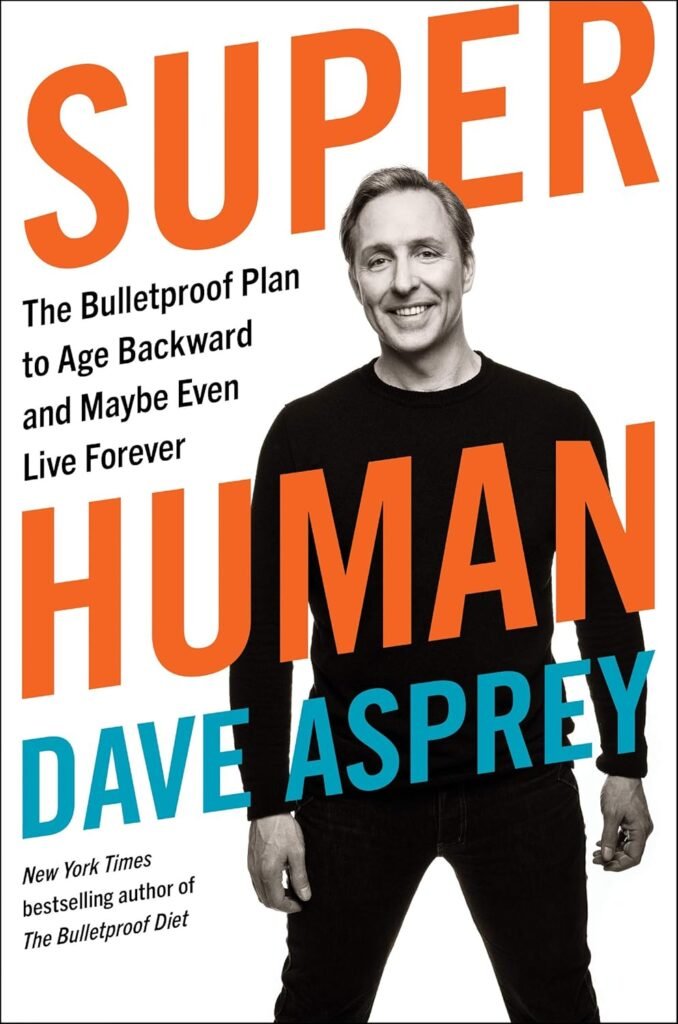
The “Big Idea”: Aging is a collection of repairable biological “glitches” that can be managed through tech and targeted interventions.
- Why Engineers Love It: Asprey treats the body like a hardware system. He breaks down the “Seven Pillars of Aging” (like glycation and mitochondrial decay) and provides specific “patches” or protocols—ranging from light therapy to ozone treatments—to fix them.
- Key Takeaway: You will learn how to mitigate the “Four Killers” (heart disease, diabetes, Alzheimer’s, and cancer) by hacking your cellular environment.
- Best For: People who want to live to 180 and enjoy high-tech longevity gadgets.
2. “Why We Sleep” by Matthew Walker
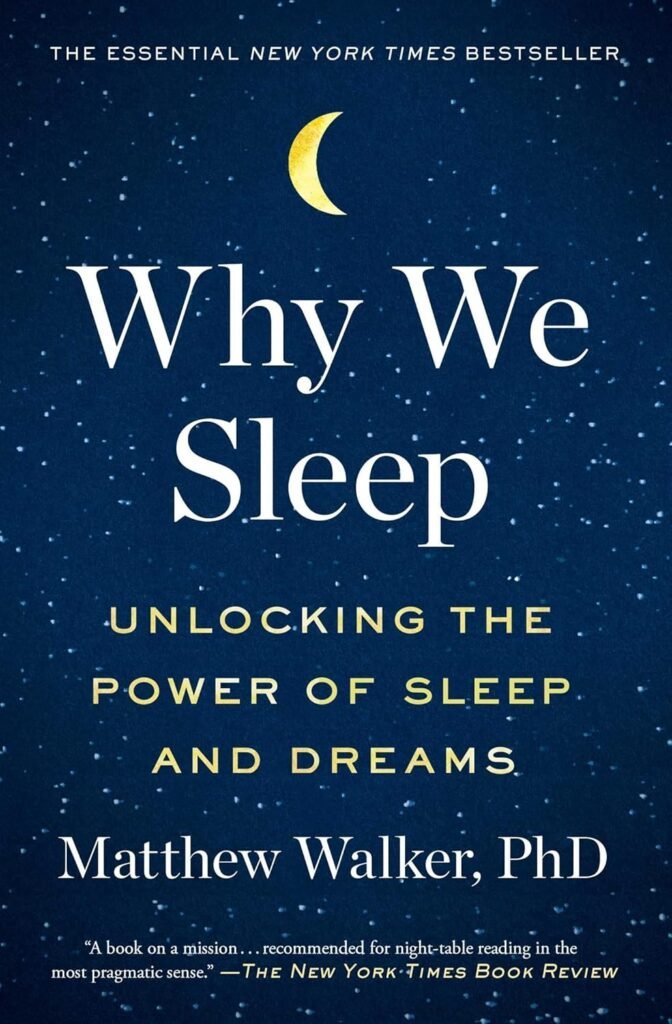
The “Big Idea”: Sleep is the non-negotiable operating system that supports every other biological function.
- Why Engineers Love It: This is pure data. Dr. Walker provides a rigorous, scientific deep-dive into sleep architecture (REM vs. NREM) and how sleep deprivation correlates with measurable cognitive decline and immune failure. It’s the perfect companion for anyone using an Oura Ring or Whoop to track recovery.
- Key Takeaway: You’ll learn how to manipulate your environment (temperature, light, and timing) to maximize sleep efficiency.
- Best For: Data-driven professionals struggling with burnout or insomnia.
To track your sleep stages accurately as described in the book, check out our comparison of Oura Ring vs Whoop.
3. “The 4-Hour Body” by Tim Ferriss
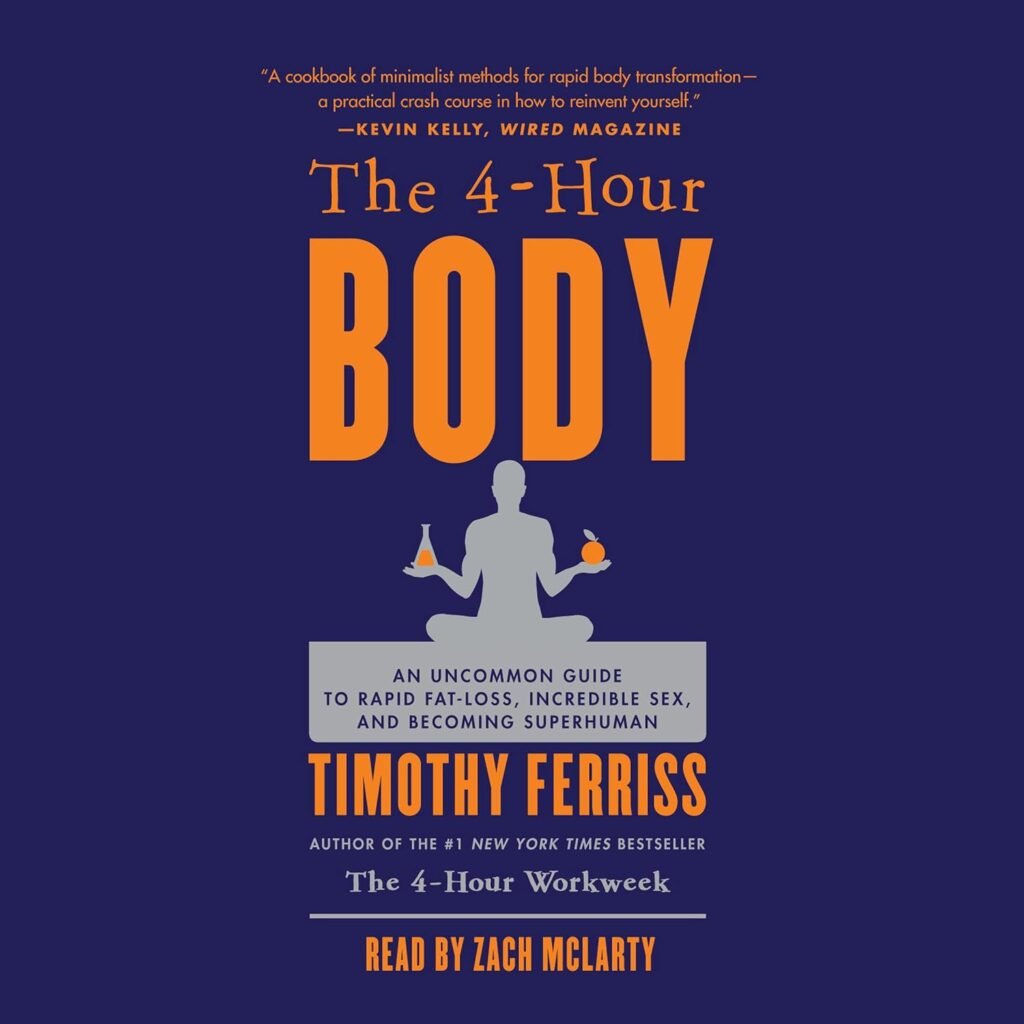
The “Big Idea”: Identify the “Minimum Effective Dose” (MED) to achieve maximum physical output with the least amount of effort.
- Why Engineers Love It: Ferriss is the king of self-experimentation. The book is essentially a massive spreadsheet of biological hacks, focusing on tracking variables like blood glucose, body fat percentage, and muscle gain through rapid, data-heavy testing.
- Key Takeaway: You will discover how to use “Slow-Carb” protocols and specific exercise “hacks” to reshape your body composition in record time.
- Best For: Engineers looking for a “cheat sheet” to physical optimization.
4. “Lifespan” by David Sinclair
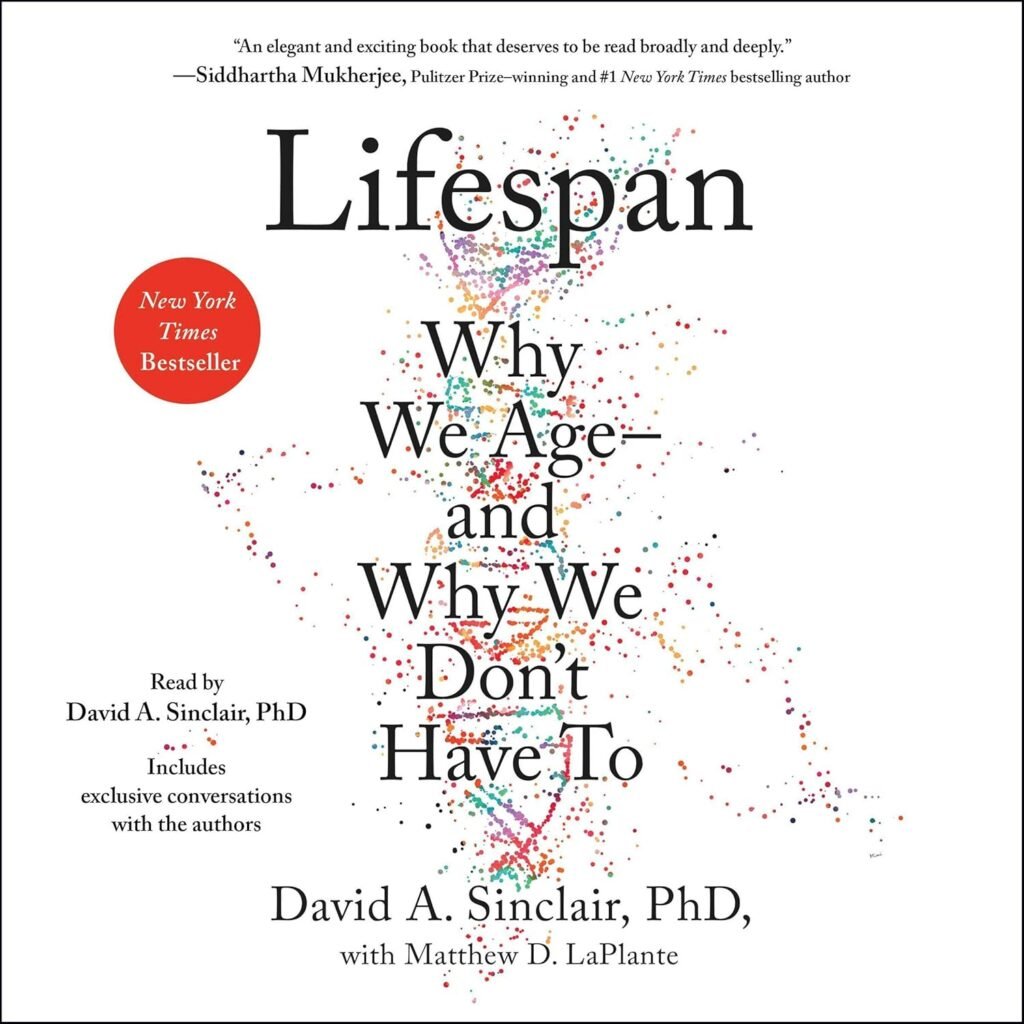
The “Big Idea”: Aging is not an inevitability; it is a treatable disease caused by a loss of cellular information.
- Why Engineers Love It: Dr. Sinclair introduces the Information Theory of Aging. He explains how our “epigenetic software” gets corrupted over time and how we can use sirtuin activators (like NMN or Resveratrol) and hormetic stress to “reset” the system.
- Key Takeaway: You’ll understand the molecular mechanisms behind NAD+ and how intermittent fasting triggers survival circuits.
- Best For: People interested in the deep chemistry and genetics of age reversal.
5. “Breath” by James Nestor
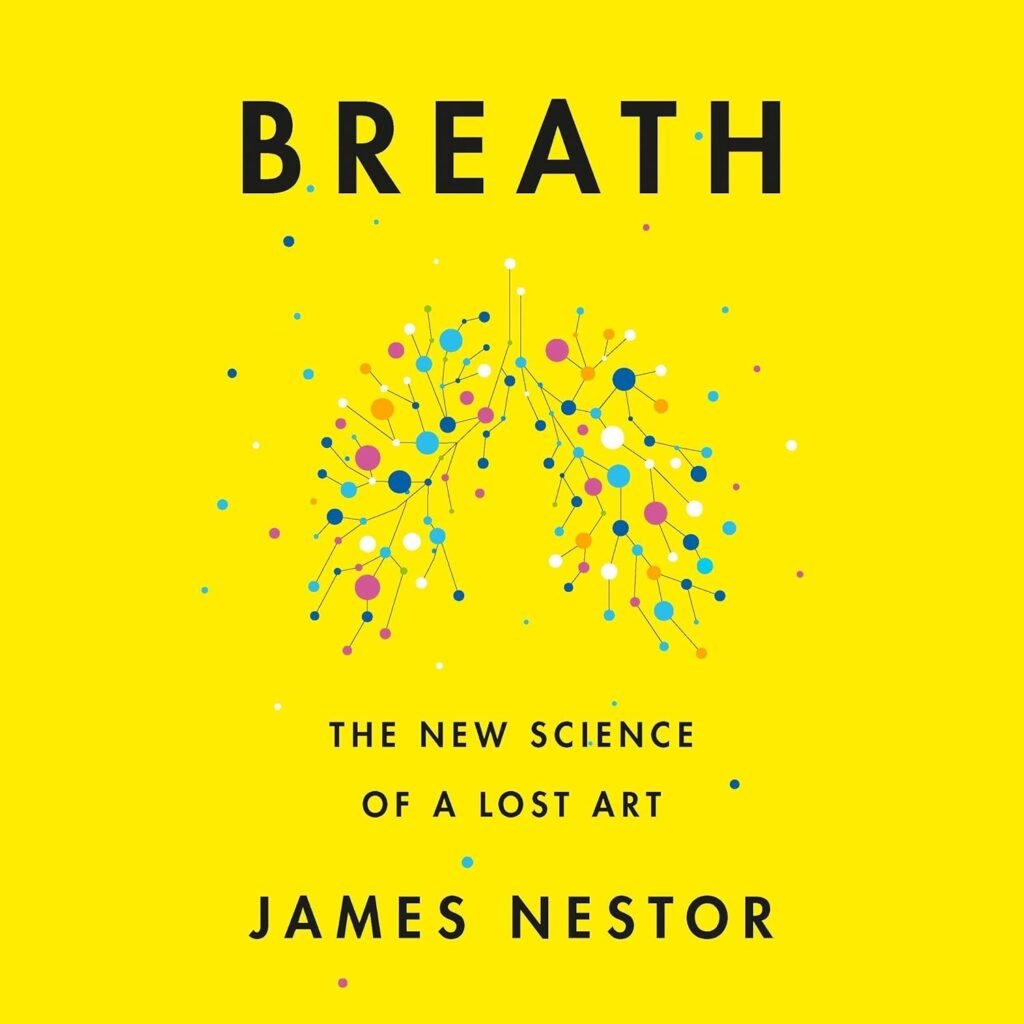
The “Big Idea”: The way you breathe is a master lever that controls your nervous system, pH balance, and athletic endurance.
- Why Engineers Love It: Nestor explores the physics and biochemistry of the respiratory system. He explains why “over-breathing” is the biological equivalent of a memory leak—wasting energy and reducing oxygen delivery to the brain.
- Key Takeaway: You will learn the “perfect breath” (5.5 seconds in, 5.5 seconds out) and why nasal breathing is a critical “hardware update” for your health.
- Best For: Athletes and high-stress workers looking for instant nervous system regulation.
Breathing exercises are easier with feedback tools like the Muse S Headband.
Comparison of Top Biohacking Reads
| Author | Main Topic | Difficulty Level |
| Dave Asprey | Longevity & Tech | Medium |
| Matthew Walker | Sleep Science | Hard (Science-Heavy) |
| Tim Ferriss | Efficiency & MED | Easy (Reference-Style) |
| David Sinclair | Genetics & Aging | Hard (Molecular Biology) |
| James Nestor | Respiratory Health | Easy/Medium |
Conclusion
Whether you are looking to increase your cognitive throughput or simply want to ensure your “hardware” lasts for the next century, these books are the essential manuals for the modern biohacker. Start with the area you track most—whether that’s sleep or nutrition—and build your protocol from there.
Would you like me to create a personalized 2026 Biohacking Protocol based on one of these books, tailored to your specific goals like focus or fat loss?
The Power of Breath with James Nestor
This video is a great companion to the list because James Nestor demonstrates the specific breathing techniques mentioned in his book to help you start hacking your respiratory system immediately.