Ultrahuman Ring Air Review 2026: The Oura Killer?
In this detailed Ultrahuman Ring Air Review, we will test if this subscription-free smart ring can truly beat the Oura Ring. For years, the smart ring market has been a one-horse race. If you wanted elite sleep tracking in a ring form factor, you bought an Oura. But there was always a catch: the dreaded $5.99/month subscription. Without it, your high-tech titanium ring becomes little more than an expensive paperweight.
Enter the Ultrahuman Ring Air. After spending months with both the Oura Gen 3 and the Ring Air, the narrative for 2026 is clear. Ultrahuman isn’t just a competitor; it’s the definitive “Subscription-Free Alternative” for those who want to own their data, not rent it.
Table of Contents
The Specs: Head-to-Head
| Feature | Ultrahuman Ring Air | Oura Ring Gen 3 |
| Price | $349 (One-time) | $299 – $449 |
| Subscription | $0 / month | $5.99 / month |
| Weight | 2.4g – 3.6g | 4.0g – 6.0g |
| Material | Fighter-jet Grade Titanium | Titanium |
| Battery Life | 4–6 Days | 5–7 Days |
| Water Resistance | 100m | 100m |
| CGM Integration | Native (Ultrahuman M1) | Third-party only |
Key Features & Performance Ultrahuman Ring Air
1. Comfort: The Lightest Ring on the Market
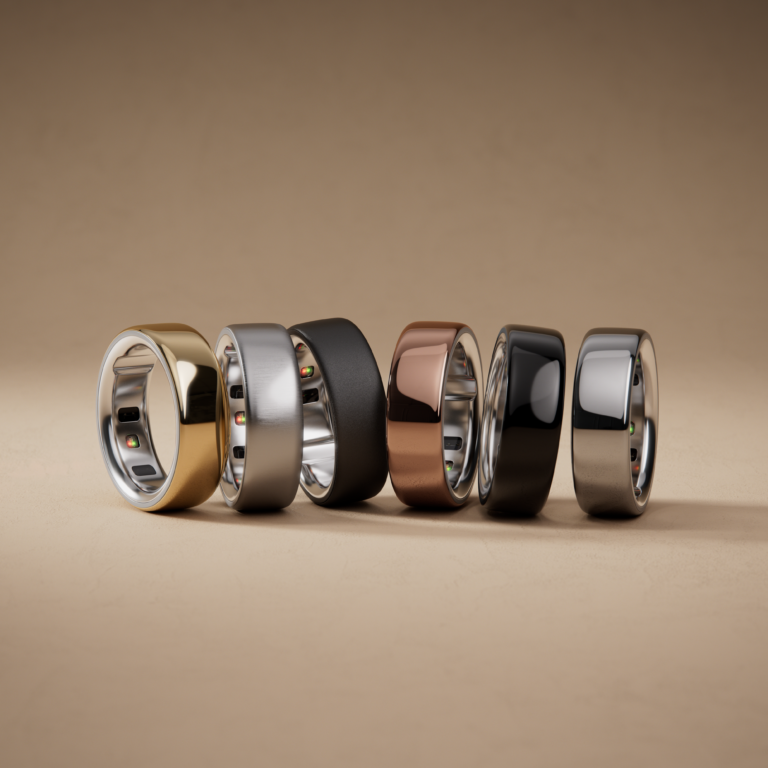
The “Air” in the name isn’t just marketing fluff. At its lightest, the Ultrahuman weighs just 2.4g, compared to the Oura Gen 3’s 4g minimum. While a few grams sound negligible, on a finger, it’s the difference between “I feel this when I make a fist” and “I forgot I was wearing it.”
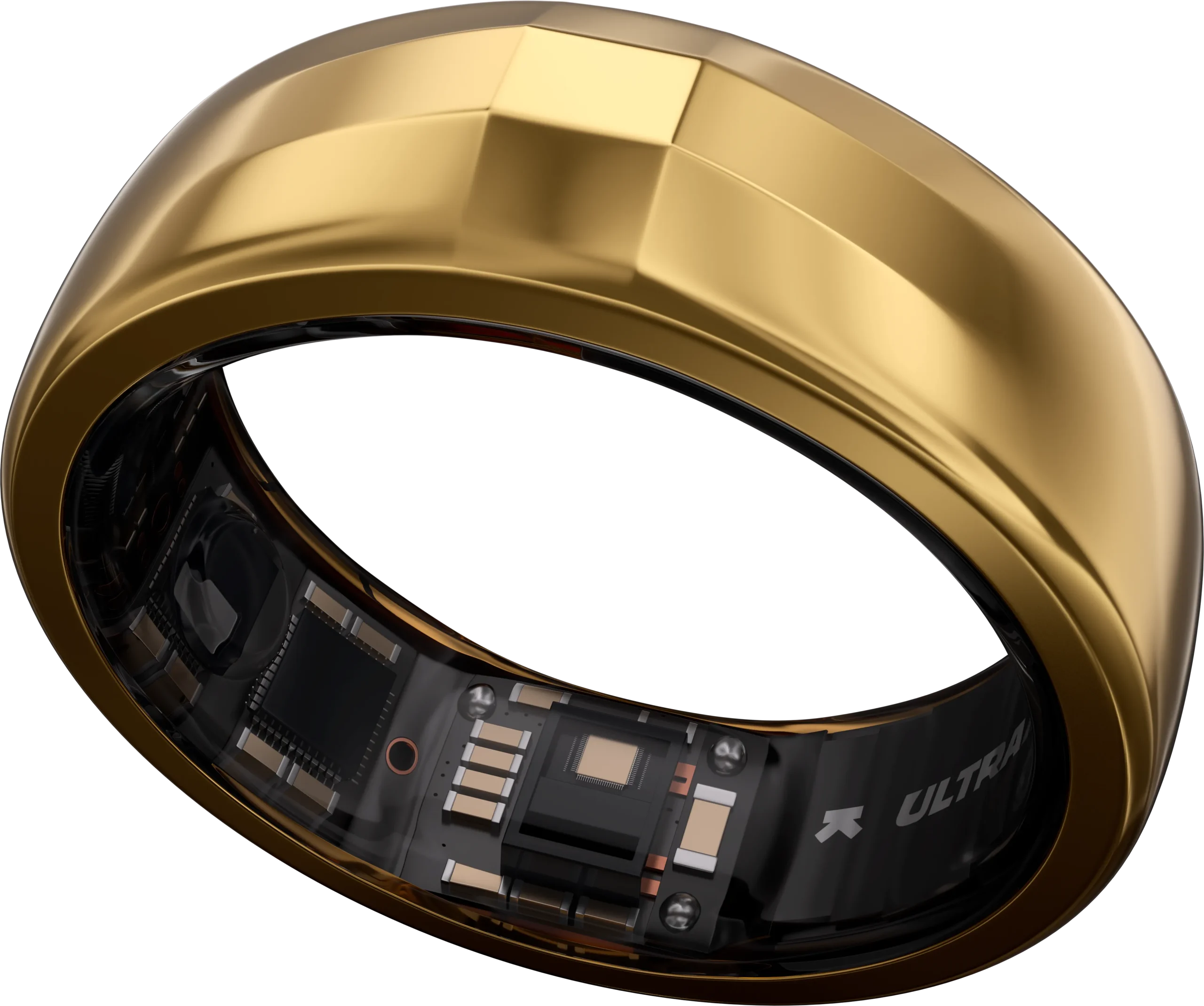
The interior is also perfectly smooth medical-grade resin, whereas the Oura Gen 3 has three distinct sensor bumps that can occasionally dig in if your fingers swell overnight.
2. Metabolic Features: The Glucose Advantage
Where Ultrahuman truly pulls ahead is its focus on metabolic fitness. While Oura focuses on “Readiness,” Ultrahuman looks at “Fueling.”
- Glucose Index: If you use their M1 Continuous Glucose Monitor (CGM), the app weaves your blood sugar data directly into your recovery scores.
- Caffeine Window: One of my favorite “PowerPlugs” (app mini-tools) tells you exactly when to stop drinking coffee based on your circadian rhythm to avoid wrecking your sleep.
3. Recovery Score: Deep Data for Biohackers
The Recovery Score on Ultrahuman is a composite of HRV, resting heart rate, and skin temperature. In my testing, it tracked very closely with Oura’s Readiness Score, though Ultrahuman tends to be more “sensitive.” If you have one glass of wine, Ultrahuman’s “Brain Waste Clearance” metric will show you exactly how much your recovery suffered.
Pros & Cons
The Good
- Zero Subscription Fees: You pay for the hardware, and you get every single feature. Period.
- PowerPlugs: An innovative “App Store” for your ring, allowing you to toggle features like Pregnancy Mode, Caffeine Tracking, or Jet Lag support.
- Superior Aesthetics: A thinner, more streamlined profile than the Oura Gen 3.
- Metabolic Insights: The best-in-class integration for users who care about nutrition and glucose.
The Not-So-Good
- Sleep Staging: Oura’s algorithms still feel slightly more “polished” at distinguishing between REM and Light sleep.
- Sync Speed: The Bluetooth sync can occasionally be slower than Oura’s near-instant connection.
- Finish Durability: Like all titanium rings, the matte finishes can show “battle scars” (scratches) over time if you lift weights with it.
The Verdict: Should You Switch?
The Ultrahuman Ring Air has officially ended the “subscription era” of wearables.
Buy Ultrahuman if:
- You are morally opposed to paying a monthly fee for your own health data.
- You want the lightest, most comfortable smart ring available.
- You are interested in metabolic health or use a CGM.
Stick to Oura if:
- You already have years of historical data in the Oura ecosystem.
- You want the absolute gold standard in sleep-staging accuracy and don’t mind the $72/year “tax.”