Oura Ring Gen 3 vs Whoop 4.0: Which One is King of Sleep Tracking?
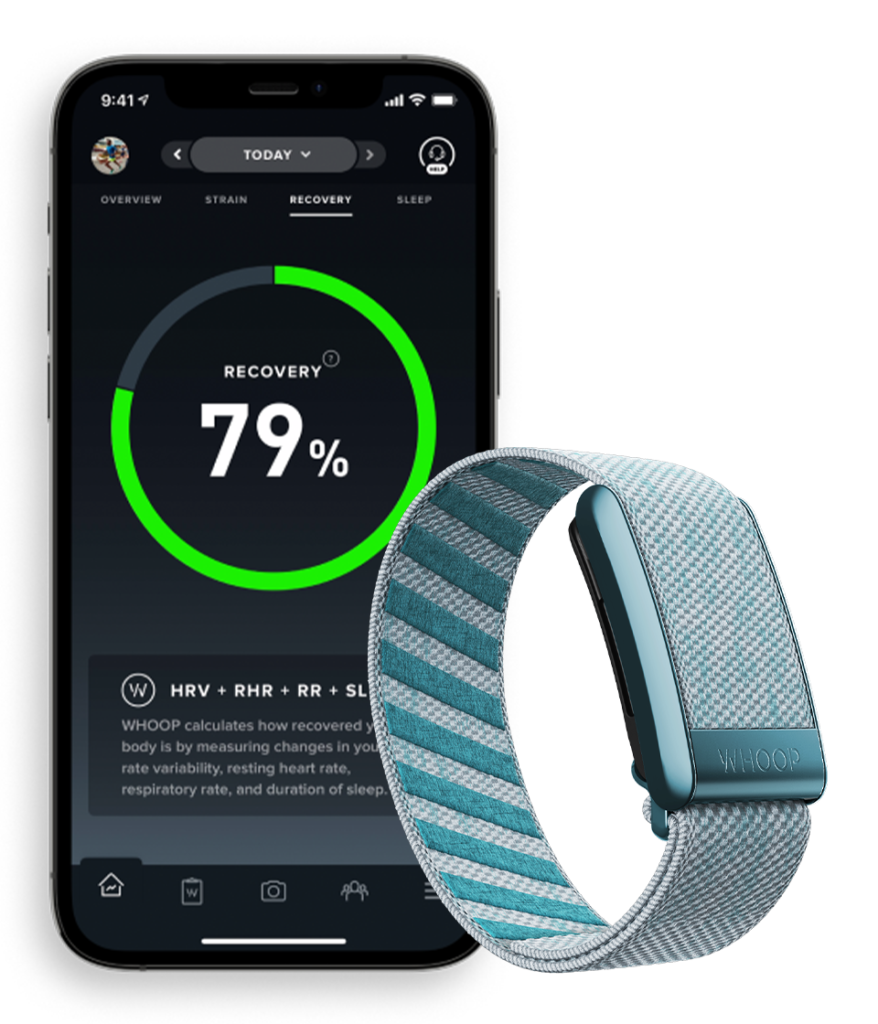
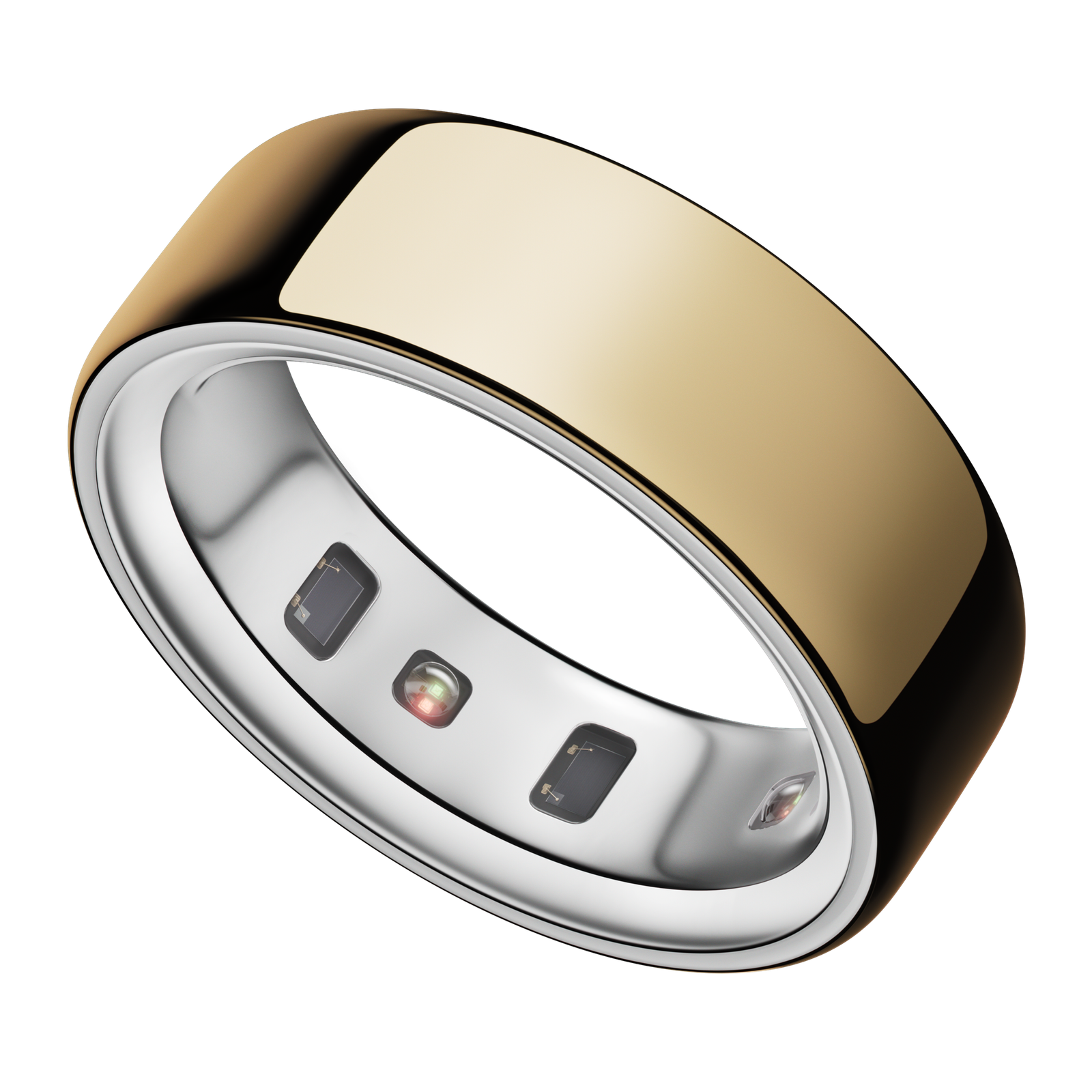
In the ever-evolving world of biohacking, two titans continue to battle for the crown of “Sleep King”: the Oura Ring Gen 3 and the Whoop 4.0.
By 2026, the landscape has shifted. While newer models like the Oura Ring 4 and Whoop 5.0 have entered the market, the Oura Gen 3 remains a top-tier choice for those seeking a balance of price and performance, while the Whoop 4.0 continues to be the workhorse for high-intensity athletes.
Table of Contents
The Biohacker’s Dilemma: Ring vs. Strap
Choosing between Oura and Whoop isn’t just about picking a device; it’s about choosing a philosophy of data. Do you want a discreet, elegant ring that nudges you toward a balanced lifestyle? Or do you want a rugged, screenless strap designed to push your physiological limits?
In 2026, sleep tracking has moved beyond simple “hours slept.” We now demand accuracy in sleep stages, respiratory rate, and autonomic nervous system (ANS) recovery. One fits on your finger; the other lives on your wrist (or bicep). Here is how they stack up today.
Head-to-Head Specs (2026 Update)
| Feature | Oura Ring Gen 3 | Whoop 4.0 |
| Upfront Price | ~$299 (often discounted) | $0 (Included with sub) |
| Subscription | $5.99 / month | $239 / year (or $30/mo) |
| Battery Life | Up to 7 Days | 4–5 Days |
| Waterproof | 100m (WR100) | 10m (IP68) |
| Sensors | Research-grade IR, NTC (Temp), Accelerometer | 5 LEDs (Green, Red, IR), Skin Temp, Pulse Ox |
| Charging | Dedicated puck | Slide-on Battery Pack (Wearable while charging) |
Deep Dive: Sleep & Recovery
Sleep Stage Accuracy
Oura Ring Gen 3 remains the gold standard for consumer-grade sleep staging. Because it sits on the finger, the infrared sensors are closer to the digital arteries, providing a cleaner signal for heart rate and SpO2. In 2026, Oura’s sleep staging algorithm is highly praised for its sensitivity to Deep Sleep and REM cycles, often correlating closely with polysomnography (PSG) in independent studies.
Whoop 4.0 approaches sleep through the lens of Performance. Its standout feature is the Sleep Coach, which calculates your “Sleep Debt.” While its wrist-based optical sensors can sometimes be prone to “noise” if the band is loose, Whoop’s bicep band accessory remains the most accurate way to track sleep for those who move frequently in their sleep.
Recovery Metrics (HRV)
Both devices use Heart Rate Variability (HRV) as their primary recovery metric.
- Oura measures HRV primarily during the night to give you a “Readiness Score” for the day ahead.
- Whoop uses a “dynamic average” that heavily weights HRV during your last slow-wave sleep stage. This makes Whoop slightly more responsive to acute changes in training load or alcohol consumption.
Pros & Cons
Oura Ring Gen 3
- Pros:
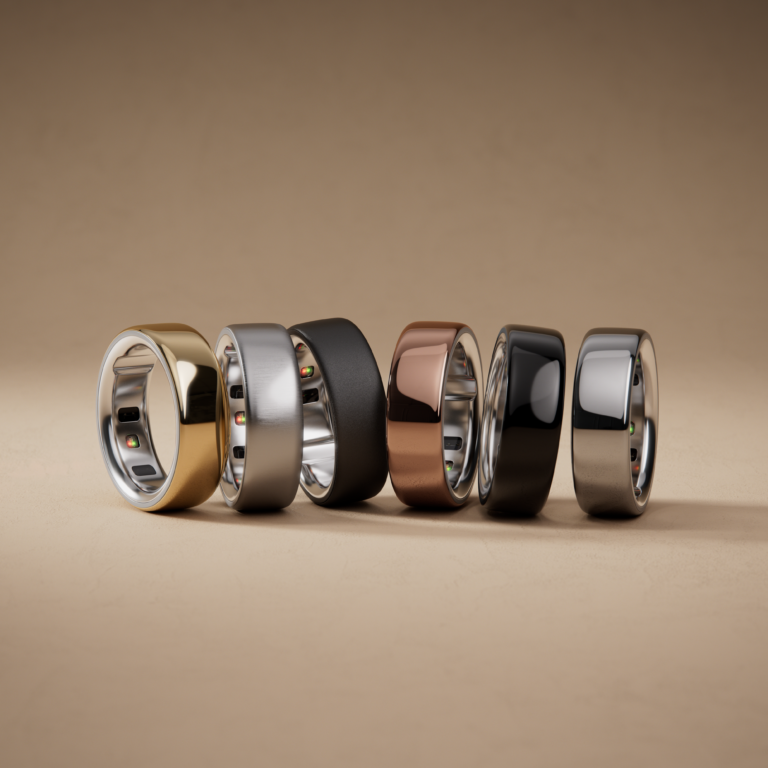
- Form Factor: Extremely light; feels like a regular piece of jewelry.
- Longevity: 7-day battery life beats the Whoop comfortably.
- Naps: Best-in-class automatic nap detection.
- Cons:
- Workout Data: Not ideal for weightlifting (the ring can get scratched/uncomfortable).
- Upfront Cost: Requires a significant initial investment.
Whoop 4.0
- Pros:
- 24/7 Data: You never have to take it off to charge (thanks to the slide-on battery).
- Granular Strain: Tracks “Strain” for specific activities better than Oura.
- No Upfront Cost: Lower barrier to entry for new users.
- Cons:
- The “Forever” Tax: You stop paying, your data is gone.
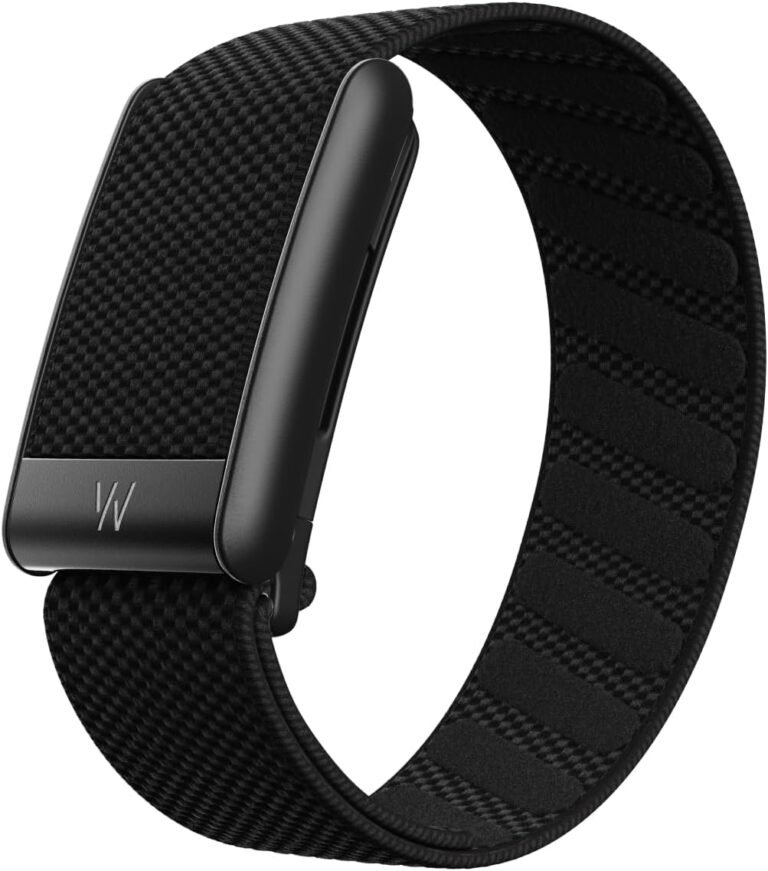
- Wrist Fatigue: Some users find the strap uncomfortable for 24/7 wear.
The Verdict: Define Your Persona
Buy the Oura Ring Gen 3 if…
You are a Lifestyle Optimizer. You want to understand your sleep, track your cycle, and get a “readiness” score without looking like you’re wearing a fitness tracker. It is the king of passive, “set-it-and-forget-it” health monitoring.
Buy the Whoop 4.0 if…
You are a Performance Athlete or a data-heavy biohacker. If you care about “Sleep Debt,” “Strain,” and want to see exactly how your 5:00 PM HIIT class affected your recovery, Whoop’s ecosystem is unrivaled.